Insert Molding Service
What is Insert Mouding?
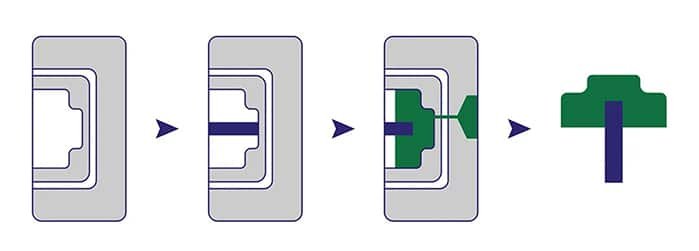
Insert molding services are an injection molding process. The process makes use of engineering plastics for improved wear resistance, tensile strength and weight reduction, as well as using metallic materials for strength and conductivity. Insert molding facilitates the manufacturing of strong, durable, and lightweight parts, which is why several industries are adopting this process.
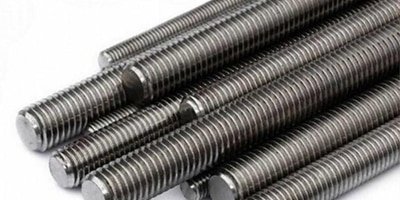
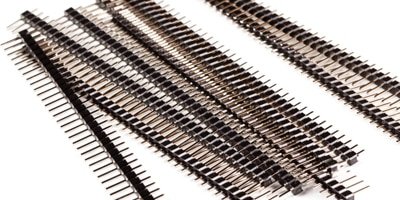
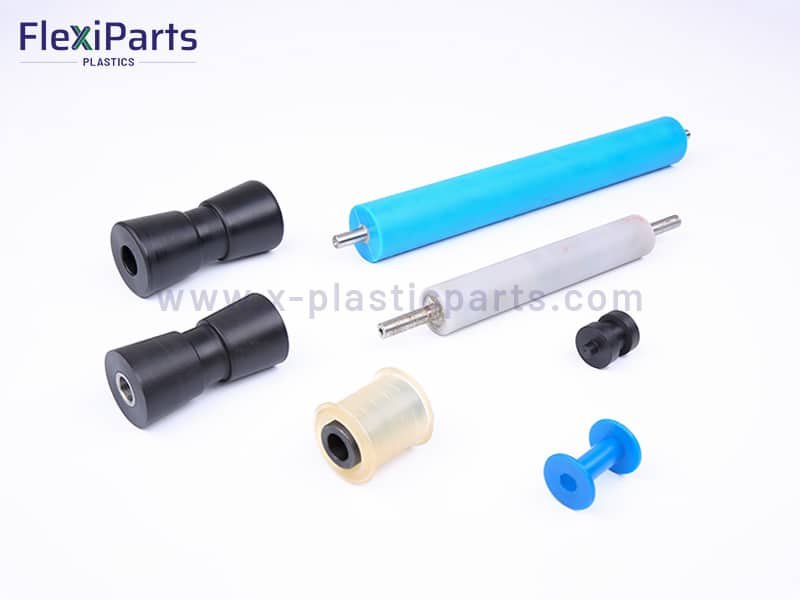
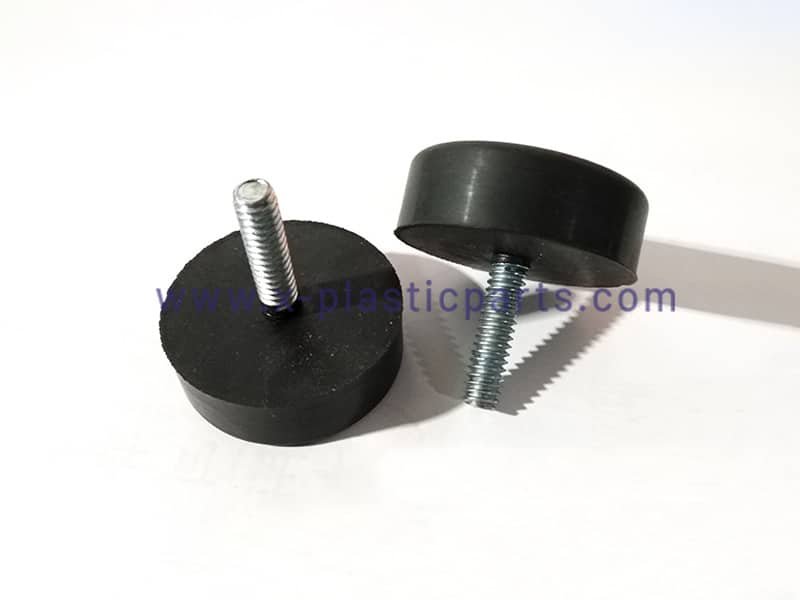
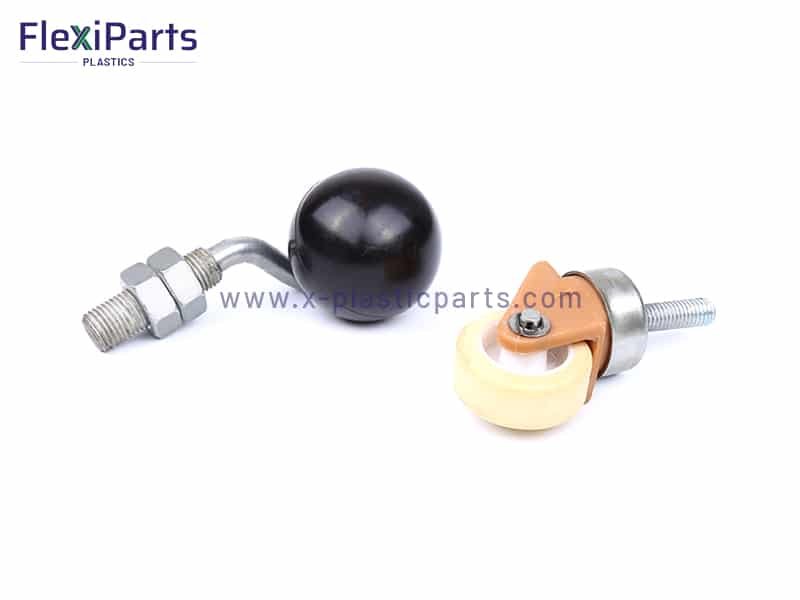
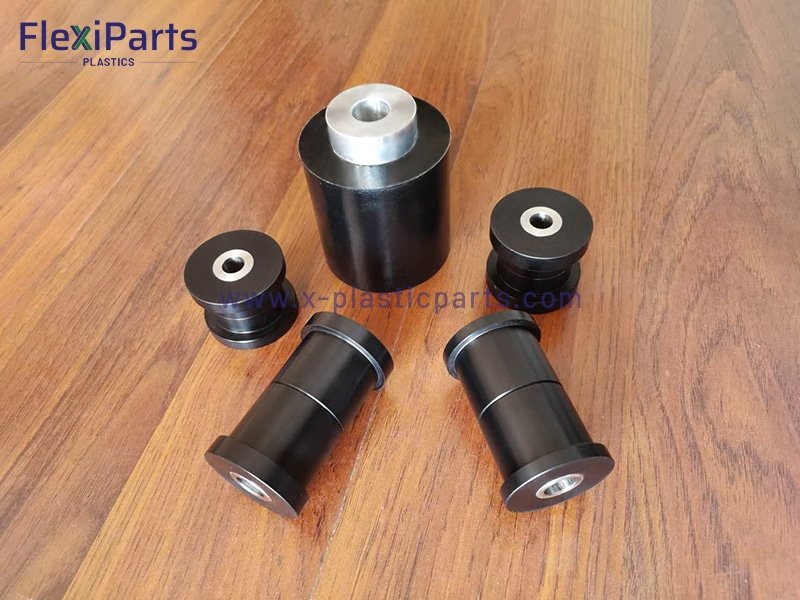
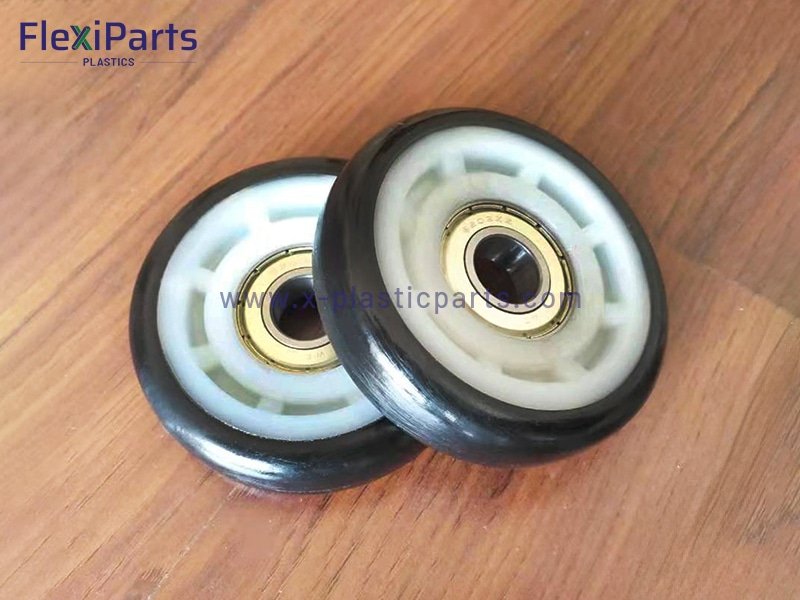
Common inserts include pins, blades, threaded nuts and knobs, sleeves, bushings, and the metal shanks of tools, such as screwdrivers. Inserts are widely used in many moulding processes, like injection moulding and compression moulding.
Factors to Consider Before Insert Molding
Considerations Before Insert Molding
1. Insert Material Type
Insert type is the first factor to consider before insert molding. Whichever insert you decide to use, it should be able to withstand the extreme temperatures and pressures often encountered in the process.
2. Insert Location
The location of the insert determines the forces that will act on it over time. Any change in the position or location of the insert can disrupt the entire process, which is why steps must be taken to secure it in place.
3. Reducing the Gap Between Inserts in Metal Parts
The gap between the metal insert molding and the molten material is a very important factor. Narrowing the gap between metal inserts improves the reliability of molding composite products.
4. Selection of Appropriate Resin and Molding Conditions
Choosing the right resin and molding conditions is conducive to the perfect molding of inserts. This choice is even more important when dealing with products that are easily damaged, such as electrical parts and coils.
5. Choosing the Right Mold
The molds used in insert molding not only shape the molten material, but also help hold the insert in place during the insert molding process.
6. Costs
Costs include the cost of the insert and the cost of hiring an operator. Another element of cost is understanding the unit price increase that will result from adding inserts.
7. Production Volume
Whether you use manual or automatic loading depends on production volume. Therefore, choosing the right loading method requires a cost-benefit analysis and an understanding of production requirements.
Compare Automated vs. Manual Insert Loading
| Compare | Automated Insertion | Insertion by Hand |
|---|---|---|
| Flexibility | Low, suitable for standardized products | High, adaptable to various shapes and sizes |
| Efficiency | Higher, consistent and fast production | Lower, dependent on worker skill |
| Quality Control | High consistency, easier quality monitoring | worker's experience, may be inconsistent |
| Learning Curve | Longer, requires operator training | Short, easy to learn |
| Productivity | Large-scale or standardized production | Small batch or custom production |
| Cost | Higher equipment investment | Lower equipment investment |
How Does Insert Molding Works?
Material Selection
Design & Programming
Machining
Finishing & Post-Processing
Ejection of Moulded Parts
Insert Molded Products We Made
Common Materials for Insert Molding
LET’S START A NEW INSERT MOLDED PARTS
Advantages and Disadvantages of Insert Molding Services
1. Enhanced Structural Integrity
2. Reduced Assembly Costs
3. Improved Electrical and Thermal Performance
4. Enhanced Aesthetics
1. Complex Design and Tooling
2. Potential Insert Shift
3. Longer Cycle Times
4. Limited for Small Components
Compare Insert Molding to Overmolding
| Compare | Insert Molding | Overmolding |
|---|---|---|
| Process | Inserts places in mold, mateiral injected around them | Second material injected to encase preformed part |
| Material Combination | Combines different materials with a part | Adds an outer layer to an existing part |
| Applications | Embedding components, combing materials | Enhancing aesthetics, functionality, for ergonaomics |
| Cost | Cost-effective for material combination | Cost-effective for adding outer layer or features |
FAQs About Custom Insert Molding
Yes. We can produce custom insert molding parts based on 2D drawings, 3D files, or samples.
We design the mold and insert structure to ensure strong mechanical interlock and proper plastic flow around the insert. In some cases, knurled or undercut inserts are used to improve bonding strength.
Yes. It can replace traditional assembly by integrating components into one molded part. It reduces assembly steps and improves part reliability. If needed, we can review your design and advise.
Tooling cost depends on part complexity, cavity number, and steel material.
We provide cost evaluation after reviewing drawings or samples.
Lead time depends on mold complexity and order quantity.
Tooling typically takes several weeks, followed by sample testing and mass production.