
Overmolding Service
What is Overmolding?
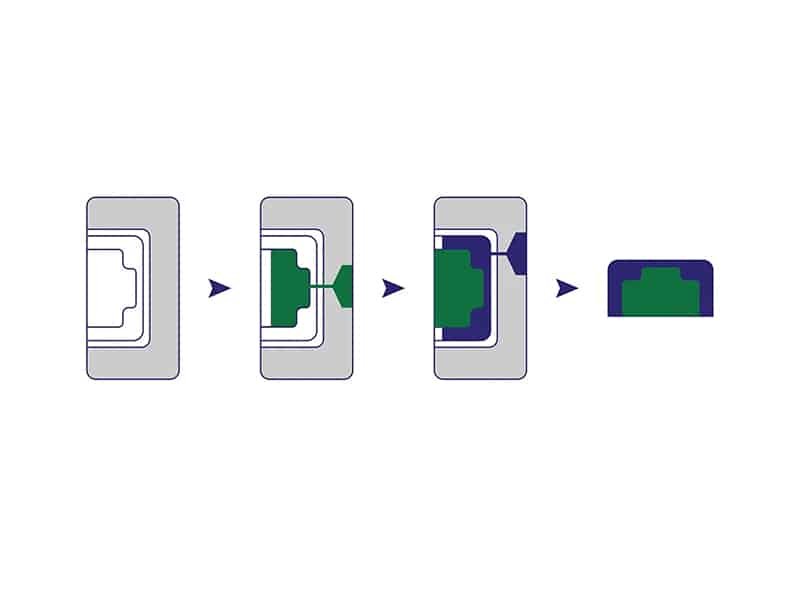
Overmolding is a manufacturing process that involves the injection of multiple materials to create a single, integrated component. It allows for the combination of a rigid plastic or metal substrate (the first material) with a softer, often elastomeric material (the second material) to form a single, cohesive part. This process enhances the functional and aesthetic properties of the final product and is commonly used in industries such as electronics, automotive, and consumer goods to improve grip, reduce vibration, or create multi-textured surfaces.
How Does Overmolding Work?
Injecting the Base Material
Applying the Overmold
Cooling and Solidifying
Ejecting the Finished Par
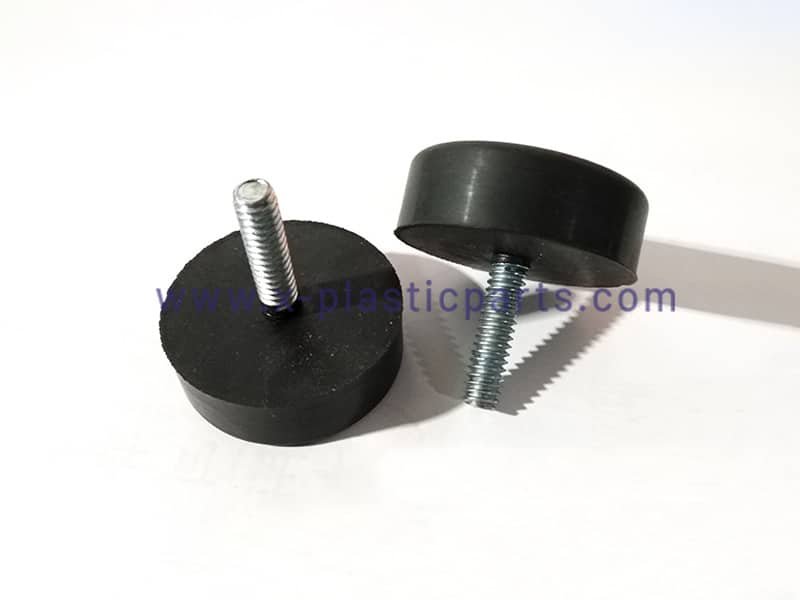
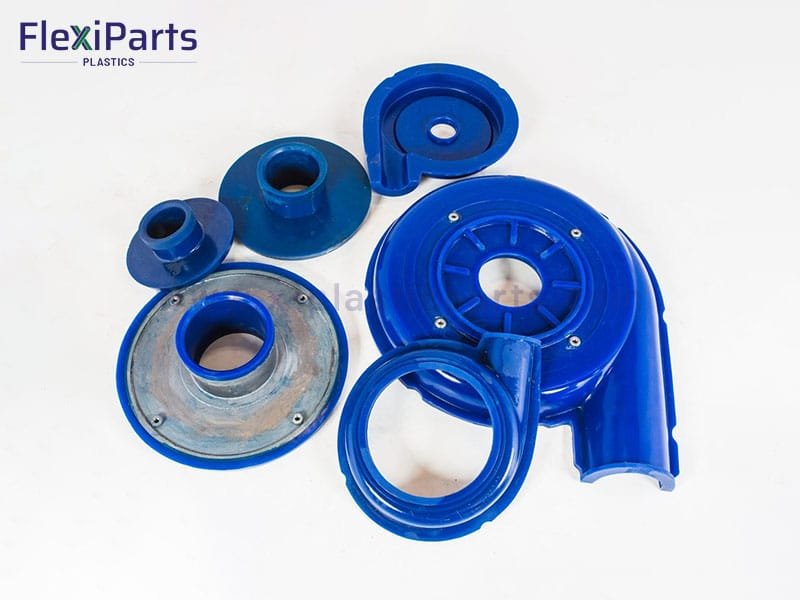
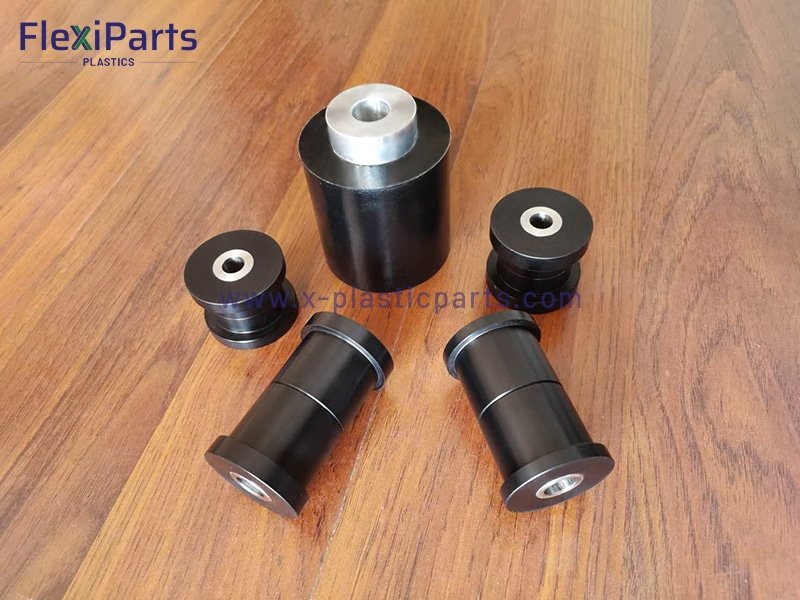
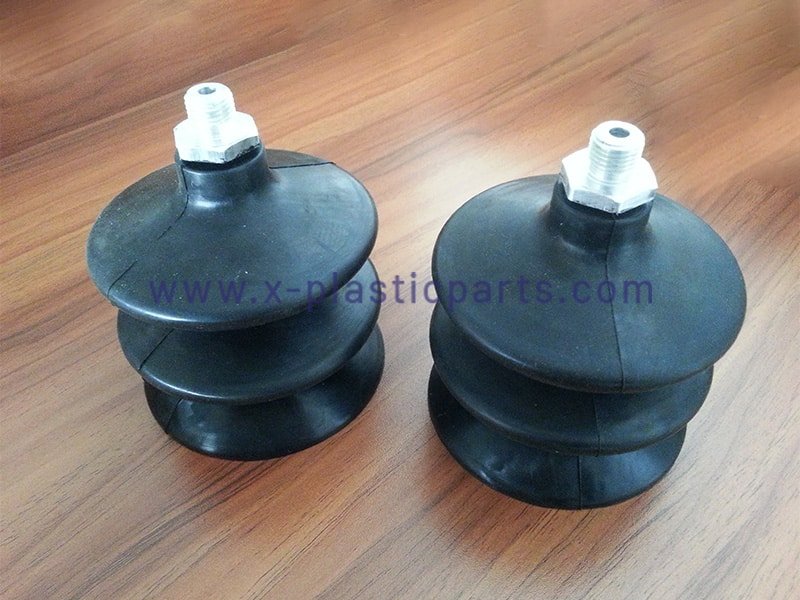
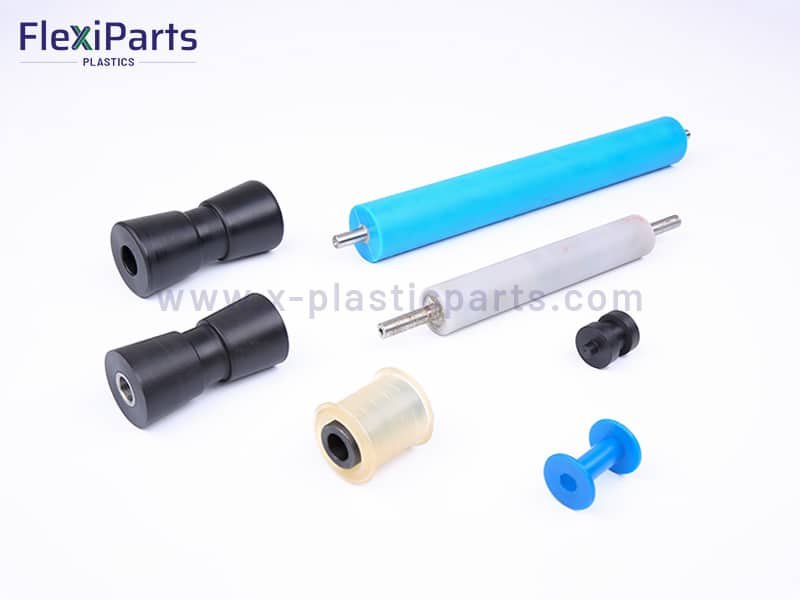
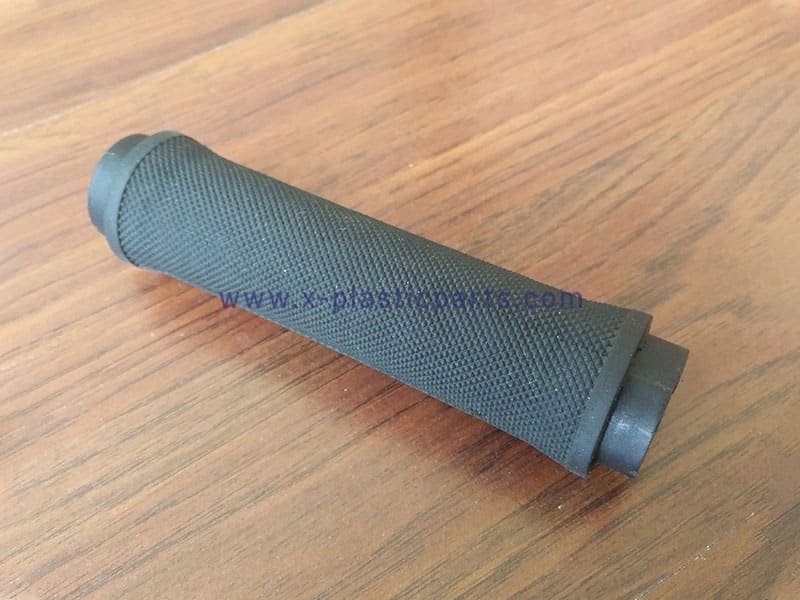
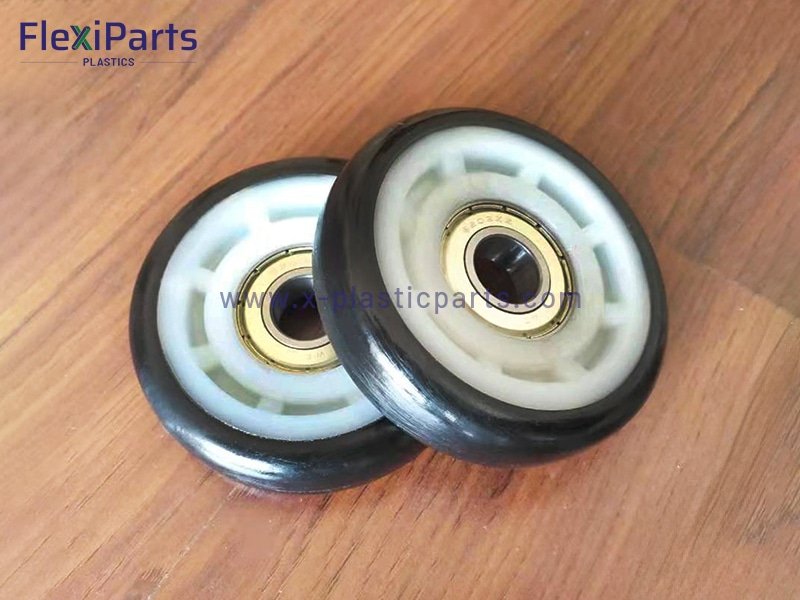
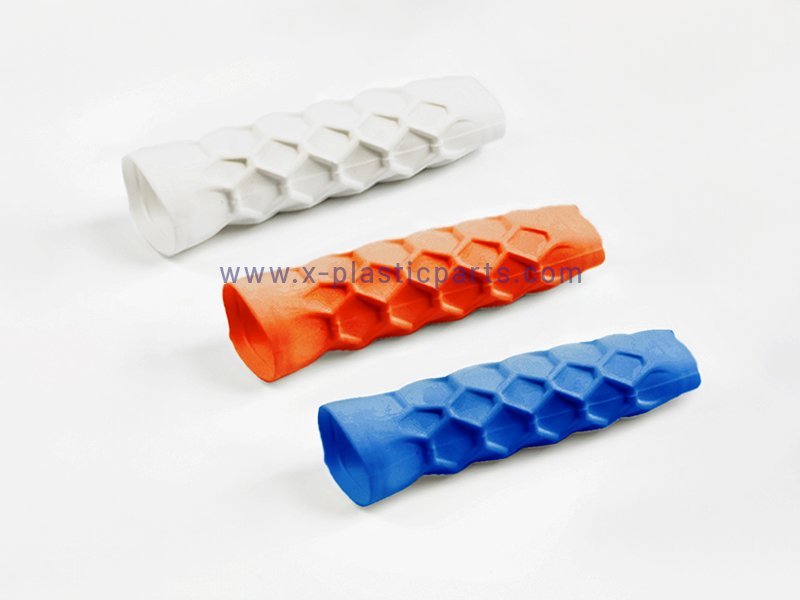
Overmolded Products We Made
Materials for Overmolding Parts
TPE
TPU
TPV
ABS
PC
PC/ABS
Nylon
PP
POM
Overmolds Material Compatibility Chart
| Overmold Material | ABS | ABS/PC | PC | PP | PA | POM |
|---|---|---|---|---|---|---|
| TPU | C | C | C | M | M | M |
| TPV | M | M | M | C | M | M |
| TPE | M | M | M | C | M | C |
LET’S START A NEW OVERMOLDED PARTS
Advantages and Disadvantages of Overmolding Services
1. Enhanced Product Durability
2. Improved Ergonomics and Aesthetics
3. Reduced Assembly and Labor Costs
4. Seamless Bonding of Dissimilar Materials
1. Material Compatibility Concerns
2. Extended Production Times
3. Material Waste Generation
4. Increased Production Costs
5. Limited Material Choices
Compare Insert Molding to Overmolding
| Compare | Insert Molding | Overmolding |
|---|---|---|
| Process | Inserts places in mold, mateiral injected around them | Second material injected to encase preformed part |
| Material Combination | Combines different materials with a part | Adds an outer layer to an existing part |
| Applications | Embedding components, combing materials | Enhancing aesthetics, functionality, for ergonaomics |
| Cost | Cost-effective for material combination | Cost-effective for adding outer layer or features |
Yes. We can support custom overmolding parts based on drawings or samples.
We evaluate material compatibility, bonding structure, and mold design to ensure stable adhesion and consistent production quality.
If needed, we can also review your design and suggest improvements to reduce risk and improve manufacturability.
Lead time depends on mold complexity and order quantity. Tooling usually takes several weeks, followed by sample testing before mass production starts.
Yes. Overmolding is widely used for soft-touch grips, seals, and waterproof components using materials like TPE or TPU.
Initial tooling cost may be higher, but overmolding often reduces long-term costs by eliminating secondary assembly, adhesives, and manual labor.
Yes. Overmolding is commonly used with metal inserts to improve strength, durability, and integration of multi-material components.